
The Mixer Cheat Sheet
October 2024
When it comes to mixing dough for your pizzeria, selecting the right mixer can make a significant difference in the quality and consistency of your products. With various types of mixers available, each offering unique advantages and limitations, it's crucial to understand their key characteristics to find the best fit for your needs. Here's a comprehensive guide to the most common mixers used in pizzerias, including planetary mixers, spiral mixers, and diving arm and fork mixers.
Despite the undeniable benefits of switching to frozen dough balls in your own kitchen, there is some misinformation surrounding their quality, prep time, and versatility. We're here to set the record straight and help you decide if they’re right for your kitchen.
Planetary Mixer
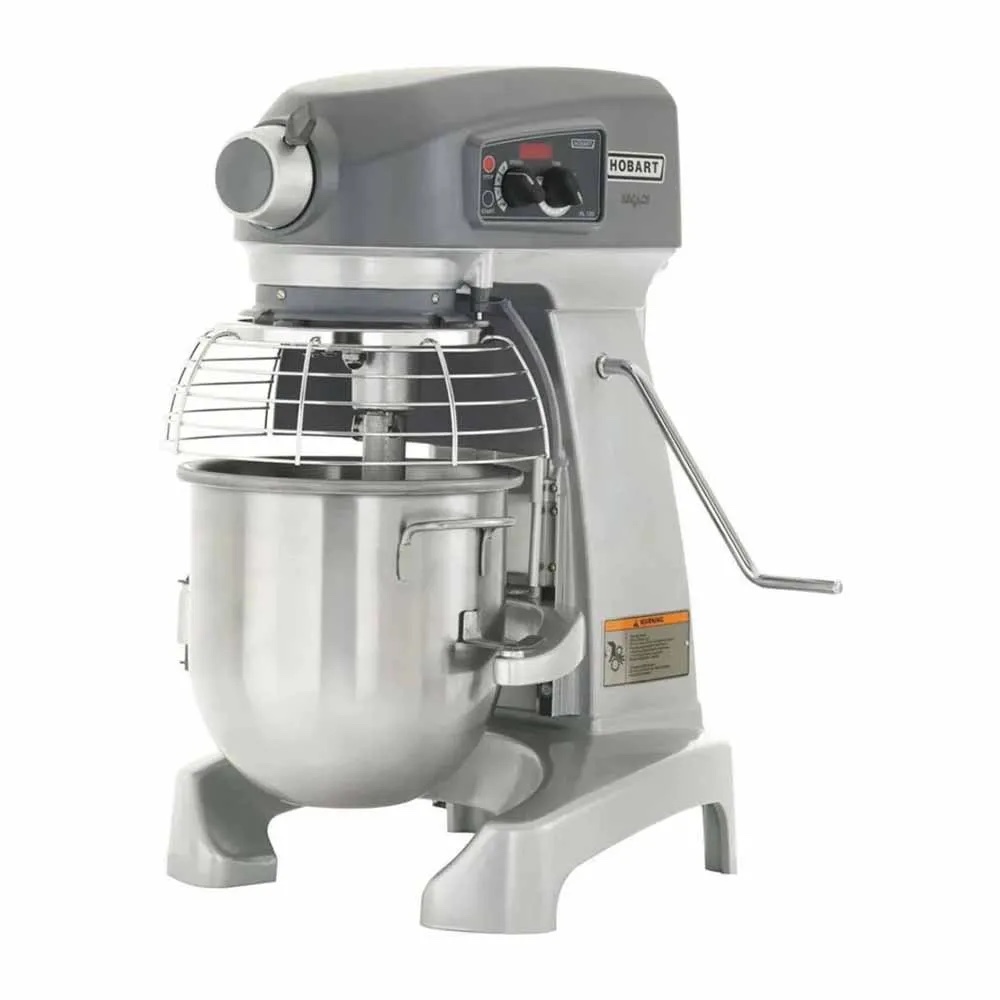
Photo by Hobart
Invented by Hobart in 1908, planetary mixers are a staple in many pizzerias. Originally designed for bread and pastry shops, these mixers quickly found their place in pizza kitchens. Before their advent, all pizza dough was mixed by hand!
Key Characteristics: Planetary mixers are renowned for their durability and versatility. They recreate the motion of a baker’s hand and come with interchangeable attachments like dough hooks, whisks, and paddles. Most models feature 2 or 3 speeds, enhancing gluten development, and the removable bowls make dough handling more convenient.
Disadvantages: The main drawback of planetary mixers is the friction generated by their orbital design, which can raise dough temperatures rapidly—an issue for some dough types. They also struggle with higher hydration doughs, limiting their use to specific pizza styles.
Summary: While once the go-to mixer for all pizzerias, newer models offer improved consistency. Nevertheless, planetary mixers remain highly versatile, suitable for various tasks from mixing dough to batters and frostings.
Best Applications: Bread and pizza doughs, pastry doughs, cake batters, whipped creams, custards, frostings, meat mixes, and gluten-free products.
Ideal Pizza Style: Low hydration New York styles, Sicilian, Grandma, Tavern, and Deep Dish styles.
Friction Factor: Highest
Spiral Mixer
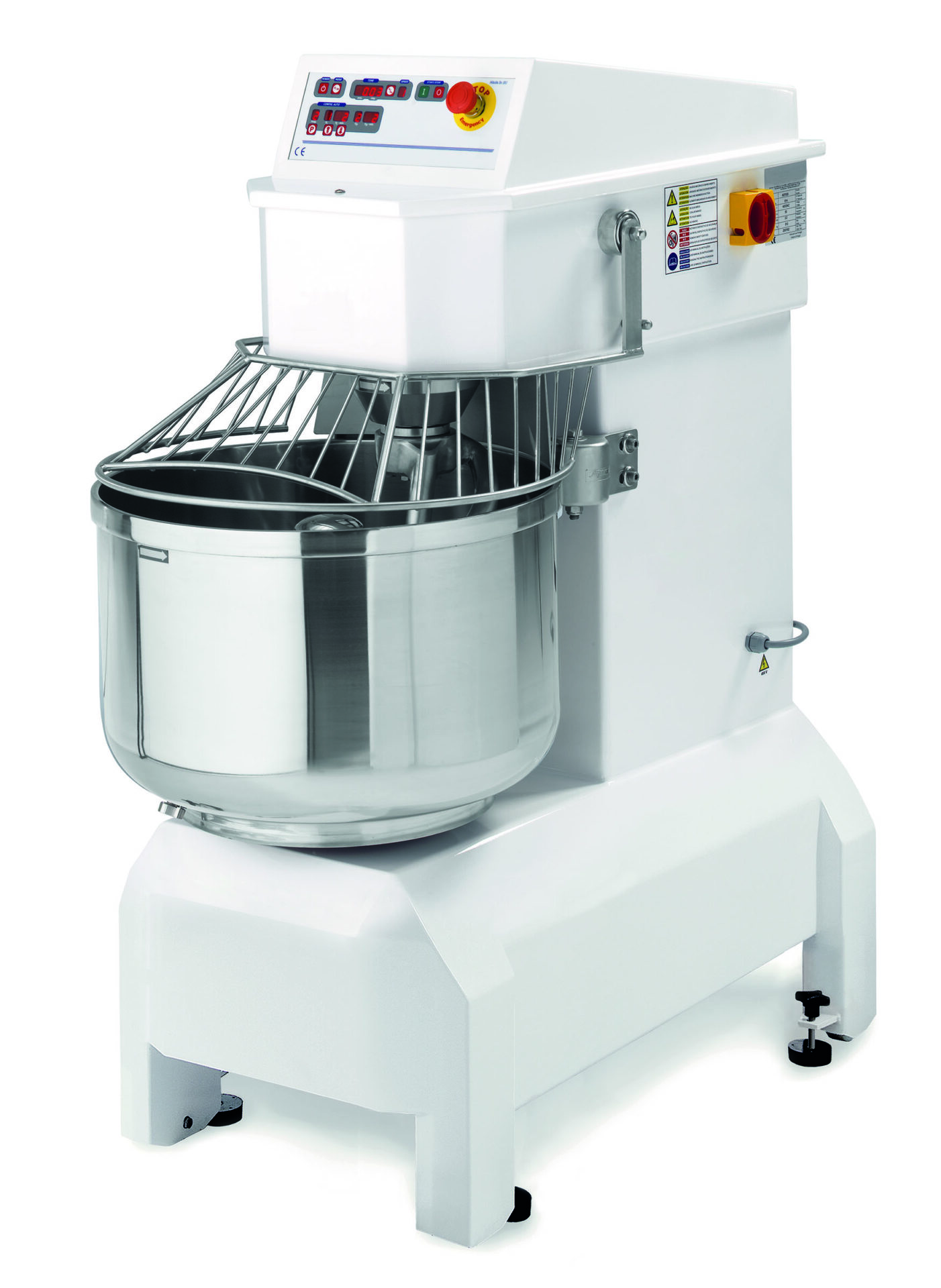
Photo by Doyon Baking
Spiral mixers, popularized in the U.S. during the 2000s, were originally used in European bakeries. They are now favored in pizza shops for their ability to produce artisanal doughs.
Key Characteristics: Featuring a fixed spiraling arm, a center breaker bar, and a moving bowl, spiral mixers minimize friction, allowing for gentle dough mixing and avoiding high temperatures. They are energy-efficient, and while they are gentle on doughs, they also have enough strength to handle lower hydration doughs like bagels, and the variable speeds available coupled with the lower friction factor make it perfect to mix higher hydration doughs. Available in various sizes, they suit different production needs.
Disadvantages: One notable downside is the static bowl, which can make dough removal challenging. Additionally, spiral mixers are less versatile compared to planetary mixers, limiting their use to specific dough types.
Summary: Spiral mixers have become the gold standard for modern pizzerias due to their consistency and gentle handling of dough. They offer excellent dough quality, efficiency, and versatility, making them a valuable addition to any kitchen.
Best Applications: Artisanal pizza and bread doughs, bagel dough, pretzel dough, and doughnut doughs.
Ideal Pizza Style: Artisan and higher hydration New York, Sicilian, Grandma, Pizza in Teglia, Pizza in Pala, Contemporary Neapolitan, and Direct Neapolitan styles.
Friction Factor: Low/Medium (varies with speed)
Diving Arm and Fork Mixers
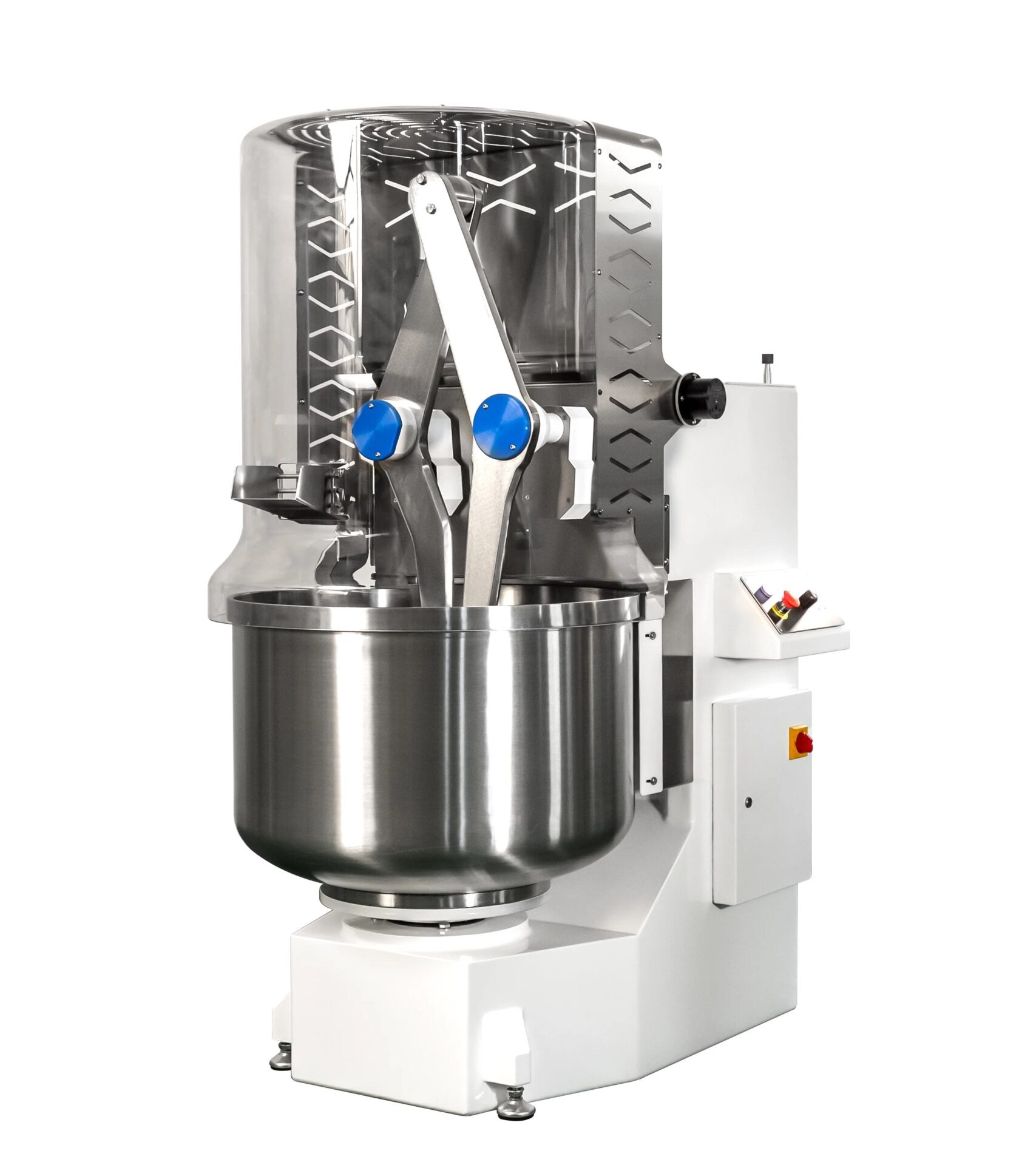
Photo by AMPTO
Developed in the late 19th century by a French baker, diving arm and fork mixers are designed to mimic the hand-mixing process, making them ideal for artisanal bread and Neapolitan pizzas.
Key Characteristics: These mixers replicate the gentle hand-mixing process, producing minimal friction and preventing dough overheating. They handle higher hydration doughs well, ensuring even water distribution without compromising dough structure. The result is a light, airy product with a soft chew and pleasant sponginess.
Disadvantages: The primary drawback is their limited versatility, as they are best suited for specific dough types (see best applications) requiring precise characteristics.
Summary: Diving arm and fork mixers excel in high-production settings where high-quality artisanal products are the goal. They effectively prevent dough overheating and overmixing, preserving the dough’s integrity.
Best Applications: Spongey doughs such as panettone and brioche and long fermentation Neapolitan pizzas.
Ideal Pizza Style: Double fermentation Neapolitan pizzas.
Friction Factor: Lowest
All in all, choosing the right mixer for your pizzeria is essential for ensuring dough quality and consistency. From the durable planetary mixers to the efficient spiral mixers and specialized diving arm and fork mixers, each type offers unique benefits tailored to different needs. Understanding these mixers’ characteristics and applications will help you make an informed decision, ultimately enhancing your pizzeria’s performance and product excellence.